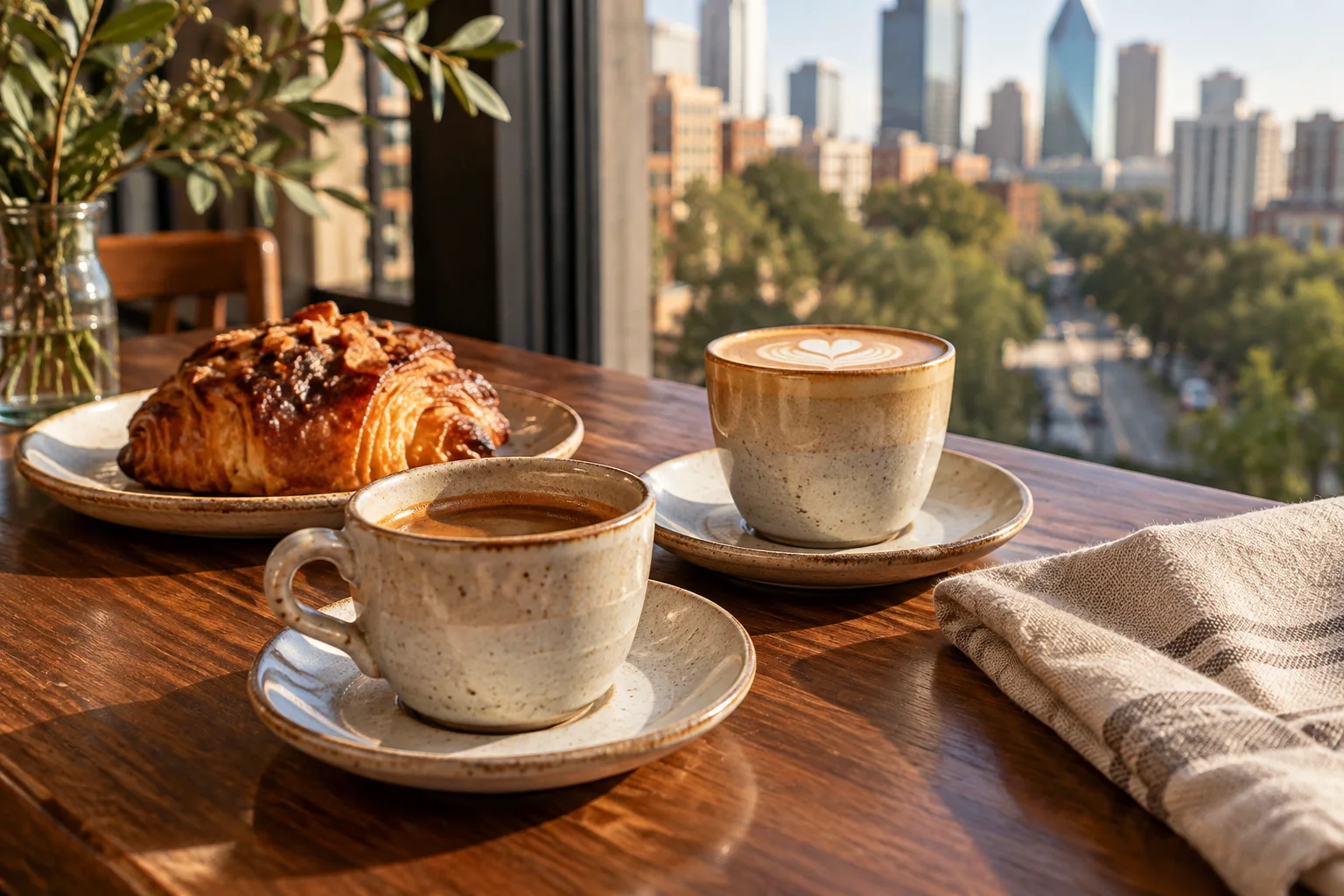
A single ceramic mug sits on a desk, surrounded by handwritten notes and printed spreadsheets. For someone managing complex information, the morning ritual is often more than a caffeine delivery system; it is a moment of sensory calibration. However, when you are trying to identify exactly which beans or preparation styles suit your palate, the process can become as cluttered as the data you are studying. Without a method to isolate variables, you are left with vague impressions rather than a clear understanding of what you actually enjoy.
Isolating the Variables
The challenge of finding a preferred brew often lies in the lack of distinction between samples. If you pour different brews into identical, unlabeled vessels, your brain struggles to isolate subtle shifts in flavor. To move from vague impressions to actionable preferences, you must introduce order to the chaos. This begins with physical markers. Use a fine-tip marker to label each cup clearly, noting the source or the specific characteristics of the batch. This prevents the mental fatigue of trying to remember which cup belongs to which source while you are mid-tasting.
Consistency is the primary tradeoff in this pursuit. To truly understand a flavor, you must minimize external variables. If one cup is served in a heavy stoneware mug that retains heat and another is in a thin porcelain cup that cools rapidly, you are no longer comparing the coffee; you are comparing the vessels. For a meaningful comparison, ensure the temperature, volume, and even the order of tasting remain as uniform as possible. This requires a certain level of preparation that may feel tedious, but it is the only way to ensure your conclusions are based on the liquid itself.
Observing the Sensory Shift
Developing a personal taste profile requires moving beyond binary descriptors like "good" or "bad." Instead, focus on the sensations that emerge as the liquid hits your tongue. Does the flavor change significantly as the temperature drops? Is there a lingering sensation, or does the taste vanish immediately? These observations allow you to build a profile that reflects your actual experience.
For example, if you are evaluating three different batches, you might find that one is bright and sharp, while another is heavy and smooth. Imagine you are trying to decide between a light-bodied selection and a much darker, more intense one. You might observe that the lighter version highlights certain notes when hot, but becomes unpleasantly tart as it cools. Meanwhile, the darker version might remain consistent but feel overly heavy during a long period of focused work. This observation allows you to choose based on your actual routine rather than a theoretical ideal.
Refining Your Selection
Once you have established a baseline through side-by-side testing, you can begin to narrow your focus. You might find that you prefer certain characteristics only when the coffee is consumed quickly, or perhaps you require a specific profile that stands up to a long morning of reading and analysis. Rather than following general trends, rely on the data you have gathered from your own labeled cups.
By treating your morning cup as a subject of observation, you turn a routine habit into a precise, repeatable preference. To finalize your choice, consider how the beverage interacts with your specific morning environment. If your work requires long stretches of concentration, ask yourself if the flavor profile you discovered remains pleasant even as the cup reaches room temperature. Choosing the profile that best accommodates your actual habits, rather than a perceived preference, ensures a more reliable ritual.