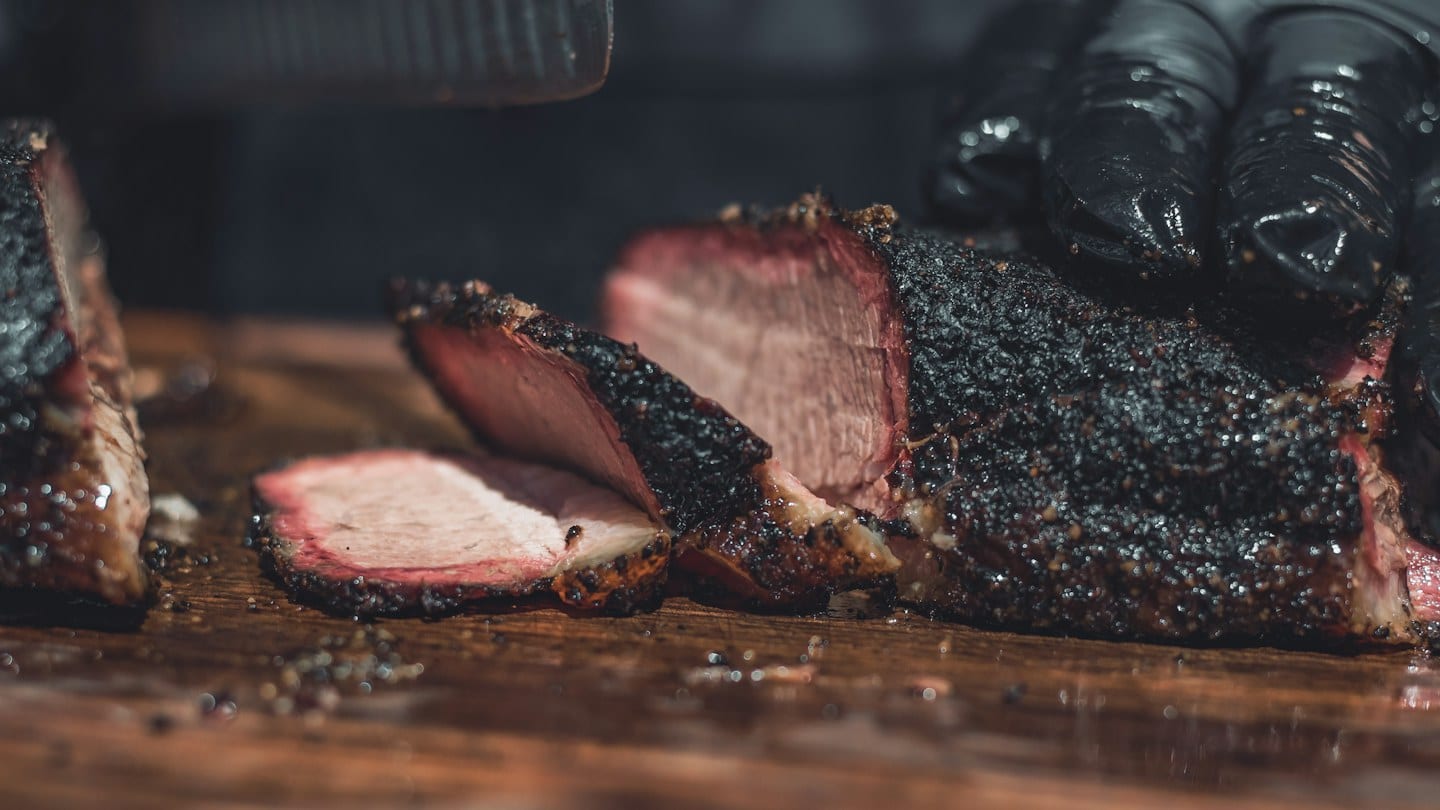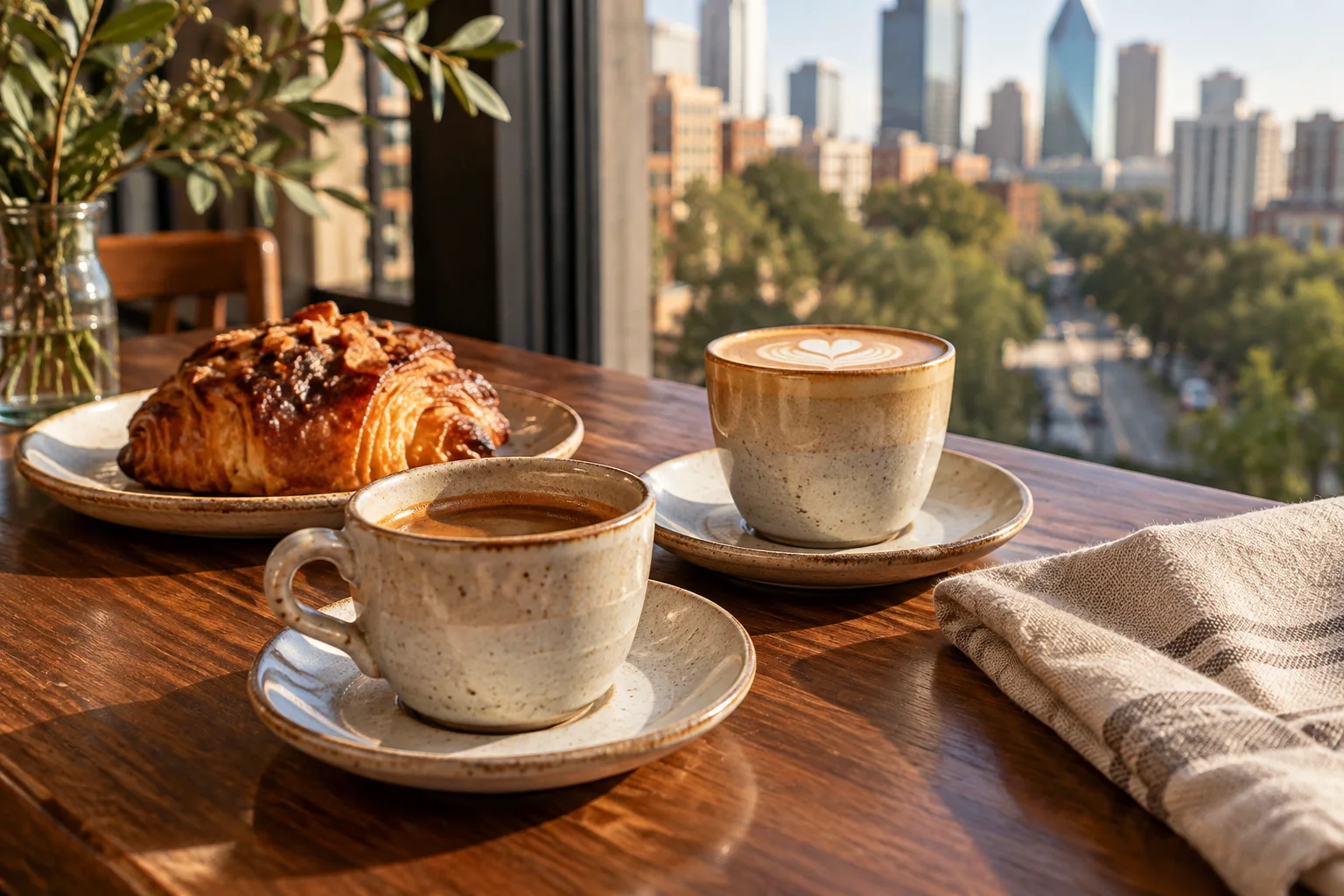
A well-planned meal often begins with a single, compelling destination. Whether it is a specific regional dish or a long-awaited table at a new establishment, the focus is singular. However, the tension in planning arises when personal preference meets the reality of logistics. You might find yourself wanting to visit a second location—perhaps a quiet cafe or a specialty market—but the desire to keep your evening relaxed can conflict with the effort required to coordinate two distinct stops.
Separating Preference from Logistics
When deciding on a destination, it is easy to let enthusiasm dictate the schedule. You may feel certain that a specific venue is the perfect choice, but enthusiasm is not a substitute for current operational data. To keep your personal preference separate from the evidence of what is actually available, verify the specifics of your primary choice before committing your time. This means looking beyond a general reputation to confirm the current status of the venue.
For example, if you have been eyeing a particular kitchen for weeks, your preference might lead you to assume they are open late or serve a specific seasonal item. To avoid a wasted trip, ask the venue directly about their current service hours and whether the specific menu items you desire are available on the day you plan to visit. Relying on your own desire for the food can sometimes obscure the need for these basic, factual confirmations.
The Tradeoff of the Second Stop
The decision to include a second location introduces a meaningful tradeoff between variety and ease. A second stop offers the possibility of a more complete experience, such as pairing a savory meal with a specific dessert elsewhere. Yet, this adds layers of timing and transit to your outing. The more you attempt to curate a multi-stop itinerary, the more you risk the primary destination being rushed or the second destination being unavailable.
Imagine you have secured a reservation for a midday meal and intend to visit a nearby boutique bakery afterward. If the meal runs long due to the pace of service, you may find yourself arriving at the bakery just as they are preparing to close. The tradeoff here is between the potential reward of that second taste and the certainty of a relaxed, singular experience.
Managing the Optional Itinerary
The most effective way to handle a potential second stop is to treat it as entirely optional. By viewing the second location as a secondary possibility rather than a requirement, you protect the success of your main event. If the primary meal is satisfying and the timing aligns, the second stop remains a pleasant surprise. If the logistics do not fall into place, you have already fulfilled your main objective.
Before you depart, confirm the details of your primary destination. Ask the staff if there are any specific arrival procedures or if they recommend certain timing for your party. Once the primary destination is verified, decide if the second stop is a genuine addition to your enjoyment or merely an extra task. If you choose to pursue both, ask the second venue about their peak hours to ensure your timing remains flexible.