A sudden urge to pick up a pottery wheel or a set of linocut tools can feel like a spark of inspiration. You find a workshop listing that promises to teach a new skill, and the immediate impulse is to secure a spot. However, the gap between a vague advertisement and the actual experience of a studio session can be wide. To ensure the time spent is meaningful, it helps to look past the aesthetic of the promotional photo and focus on the logistical reality of the craft.
Separating Taste from Utility
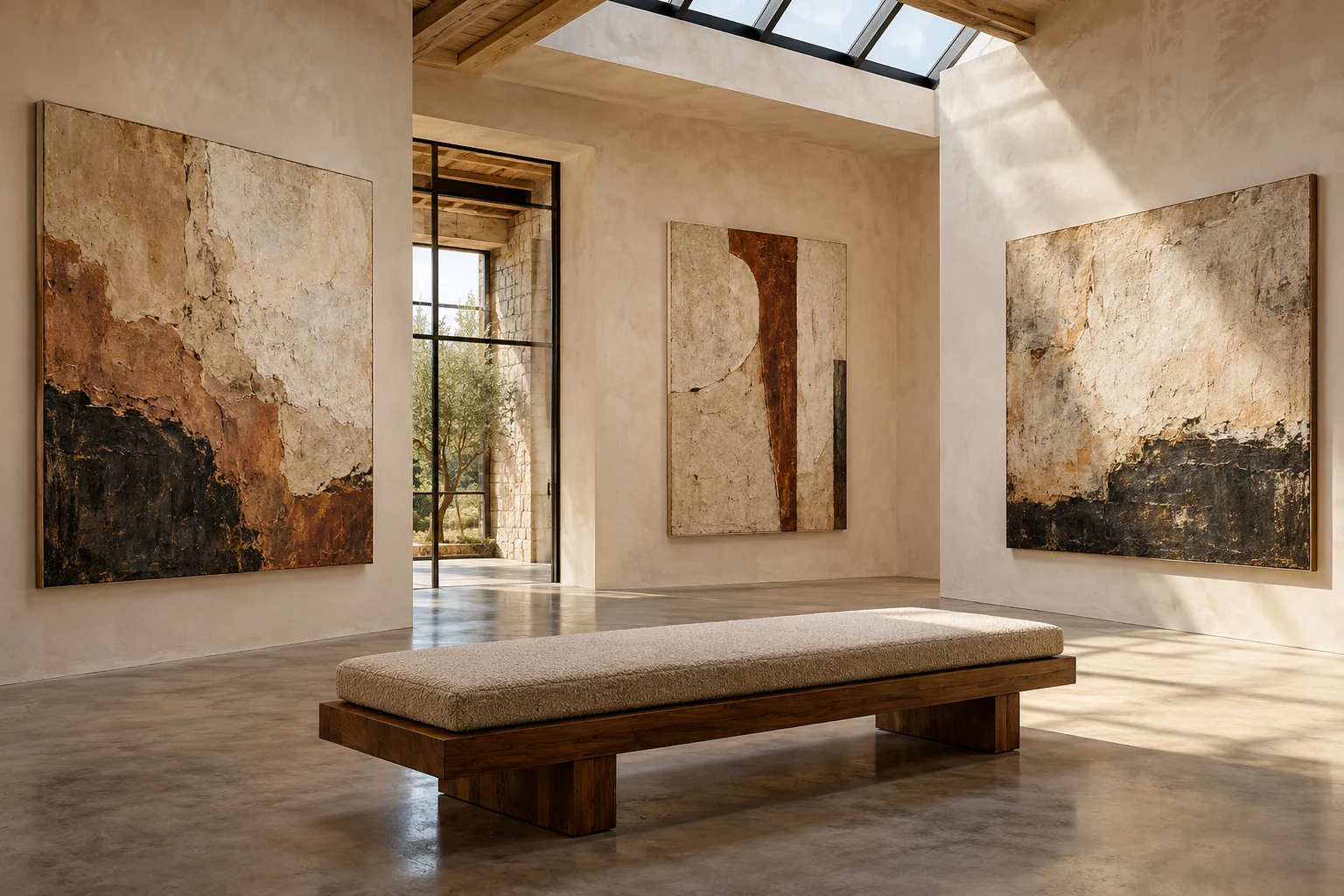
It is easy to let personal preference cloud your judgment when evaluating a new activity. You might find yourself drawn to a studio because the instructor's finished pieces match your home decor, or because the venue looks particularly inviting. While these aesthetic preferences are valid, they do not necessarily indicate whether the workshop is the right fit for your specific goals. A beautiful gallery space does not guarantee a workspace that accommodates your physical needs or your desired pace of learning.
For example, if you are looking for a meditative, slow-paced experience to unwind after a long week, you might find yourself in a high-energy, fast-moving group setting that prioritizes rapid production over quiet contemplation. One person may value the social atmosphere of a bustling classroom, while another may seek the solitude of focused practice. Distinguishing between what you like to look at and what you want to do is a vital first step in your planning process.
Defining the Creative Environment
Once you have identified your intent, you can begin to gather the evidence needed to make a decision. Rather than assuming the listing covers every necessity, ask specific questions about the mechanics of the session. You might ask what specific materials are included in the registration fee and what, if anything, you are expected to bring from home. Knowing whether you will be working with professional-grade tools or introductory kits can change your expectations for the session.
Consider the physical requirements of the space as well. Ask how the studio handles access for participants with different mobility needs or how the seating arrangements are configured. If the workshop involves messy mediums, ask about the clothing requirements and whether the venue provides protective gear like aprons or gloves. Understanding the participation expectations—such as whether the session is a structured lecture or an open-ended practice period—will help you prepare for the engagement.
Evaluating the Tradeoffs
Every workshop involves a tradeoff between depth and breadth. A short, one-off session might offer an introduction to a medium, but it may lack the technical rigor required to master a skill. Conversely, a multi-week course offers depth but requires a significant commitment of time and energy. Ask the organizer how the curriculum is structured to meet these different needs. By gathering these details before you pay, you move from a place of hopeful guesswork to one of informed participation.
The final decision rests on how well the workshop's reality aligns with your actual objectives. Before you commit your time and resources, ensure you have asked about the materials, the space, and the level of instruction. Once you have weighed the logistical details against your personal preferences, you can decide if the experience is worth the investment.