This is a paid partner contribution. Commercial relationships are disclosed so readers can distinguish sponsored content from editorial guides.
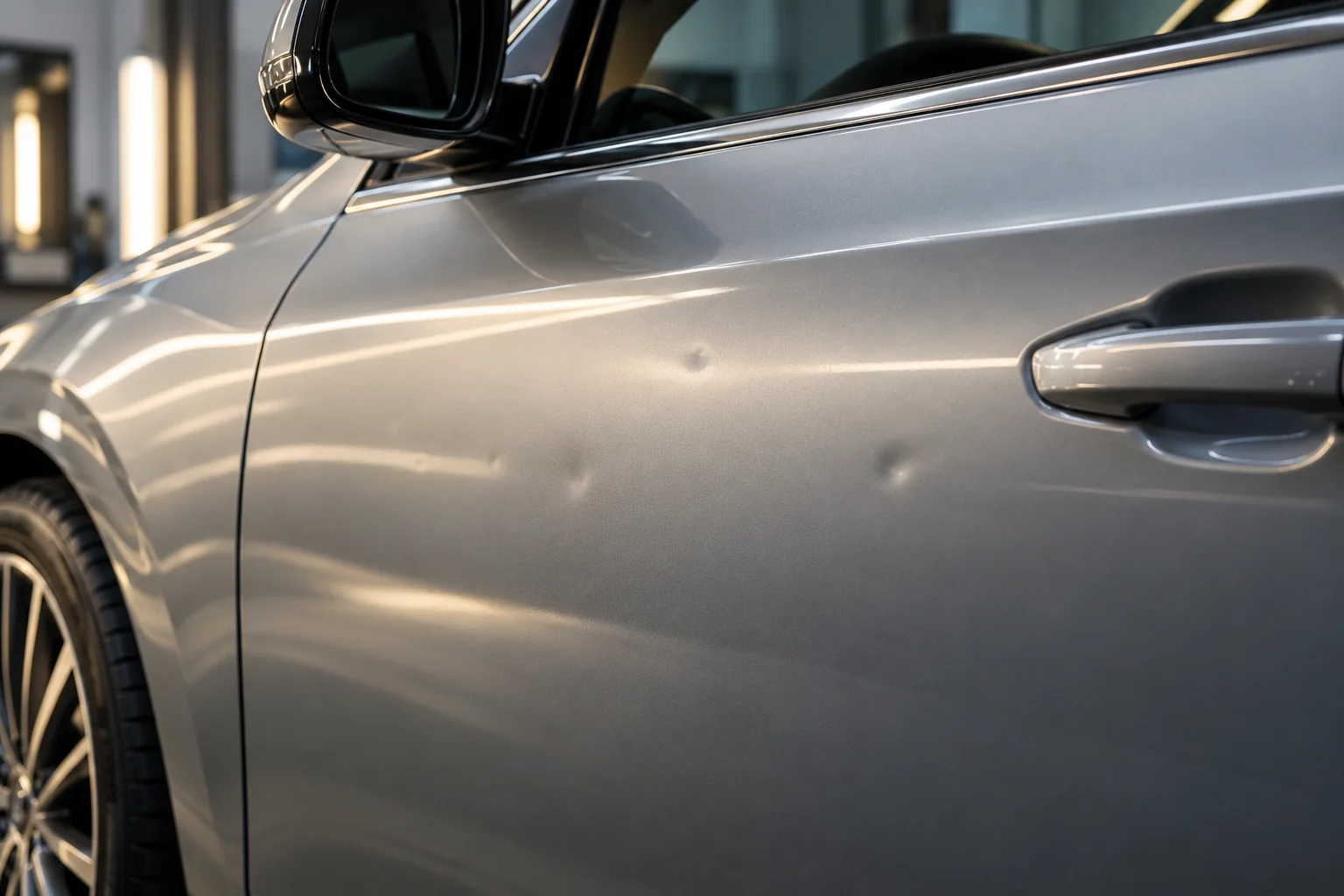
A vehicle often carries the subtle history of its travels. Small dings from a grocery store parking lot or the widespread texture of hail damage from a sudden storm may linger on the bodywork for months. While these marks do not stop a car from running, they change how the vehicle looks in your driveway and how it feels when you walk toward it. Addressing these issues before the year ends allows you to decide how you want to present your vehicle as you move into a new season.
Evaluating the Surface Damage
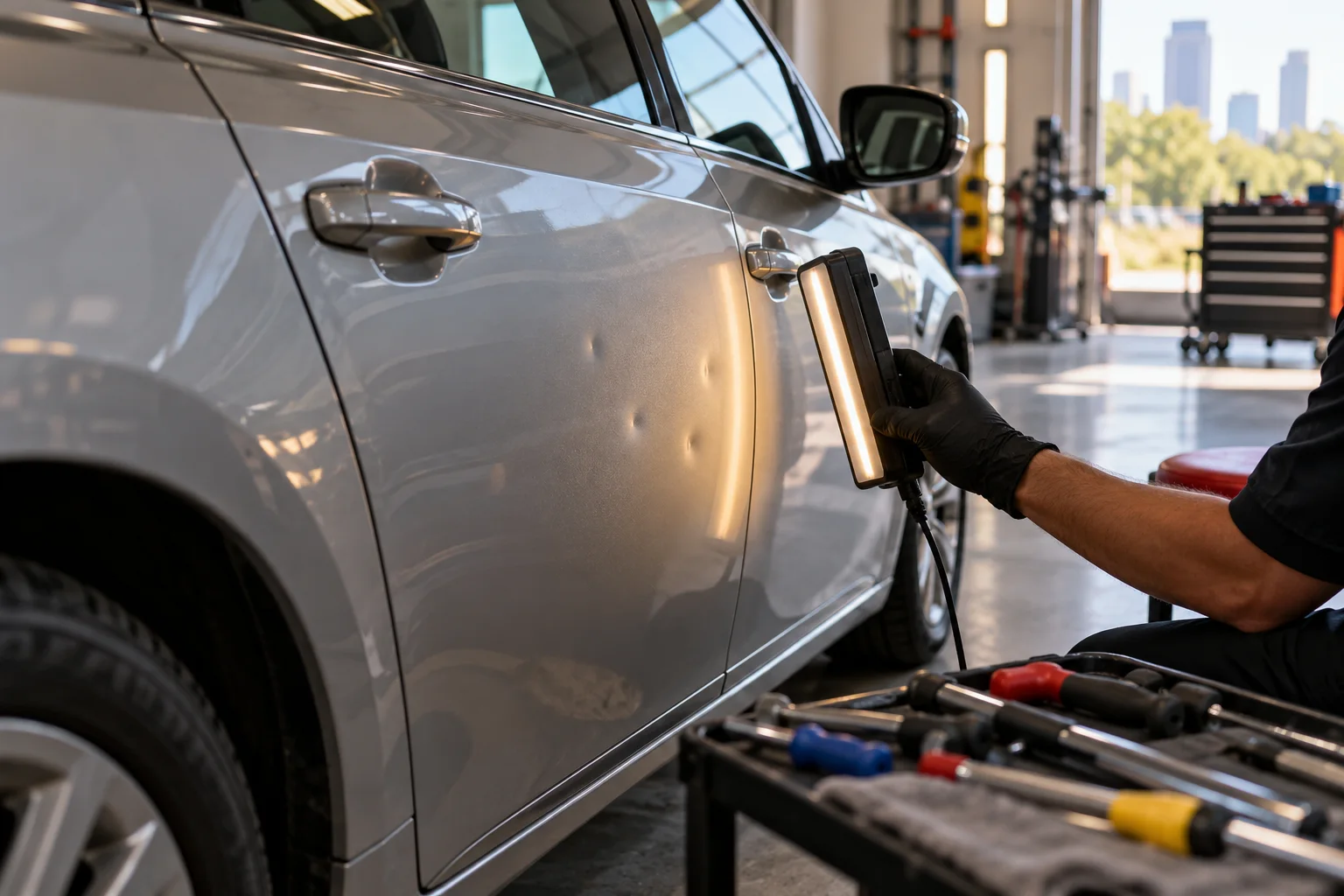
The first step in deciding how to proceed is a thorough visual inspection. Some imperfections are isolated, such as a single crease on a door panel, while others are pervasive, covering the hood, roof, and trunk. You might find that a few small marks are easy to overlook, but a collection of dents can make the entire finish look weathered. Examining the depth and location of these marks helps you determine the scope of what needs attention.
For example, if you have a single, shallow dent on a fender, the process is straightforward. However, if your vehicle has sustained significant hail impact across multiple panels, the scale of the work changes. You will need to weigh the desire for a pristine finish against the time required to manage the repairs. You can view DentPicks before-and-after photos to see how different types of damage appear once addressed.
Comparing Repair Approaches
When you decide to move forward, you face a choice regarding the method of restoration. One path involves traditional bodywork, which often requires sanding, filler, and repainting. Another path focuses on repairing the metal itself without altering the original factory finish. This distinction affects the appearance of the vehicle and the time the car remains out of commission.
Consider the tradeoff between a quick cosmetic fix and a more detailed restoration of the metal's shape. A quick patch might hide a mark, but a more precise approach aims to return the panel to its original contour. Ask a technician how they plan to handle the specific contours of your vehicle's panels and whether the original paint will remain intact during the process.
Organizing Your Information
To make the most of a consultation, arrive prepared with specific details about your vehicle. Having your vehicle's make, model, and a clear description of where the damage is located will help the technician provide accurate information. If you are navigating the logistics of getting your car to a shop, you might consider using a Plano PDR shop when you live in Dallas to see if the location suits your schedule.
Ask the service provider how they handle different types of metal and what their process looks like for various panel shapes. By gathering these details now, you can enter the year-end rush with a clear plan for your vehicle's exterior. Once you have assessed the damage and compared your options, you can choose the path that best aligns with your goals for the vehicle.