This is a paid partner contribution. Commercial relationships are disclosed so readers can distinguish sponsored content from editorial guides.
The sound of heavy hail hitting a driveway is unmistakable, but the true extent of the impact often remains hidden until the clouds clear. Once the storm passes, a car owner faces a series of small, dimpled indentations across the hood, roof, or trunk. Deciding how to address these marks involves evaluating the severity of the metal deformation and determining the best way to initiate a professional assessment.
Documenting the Surface
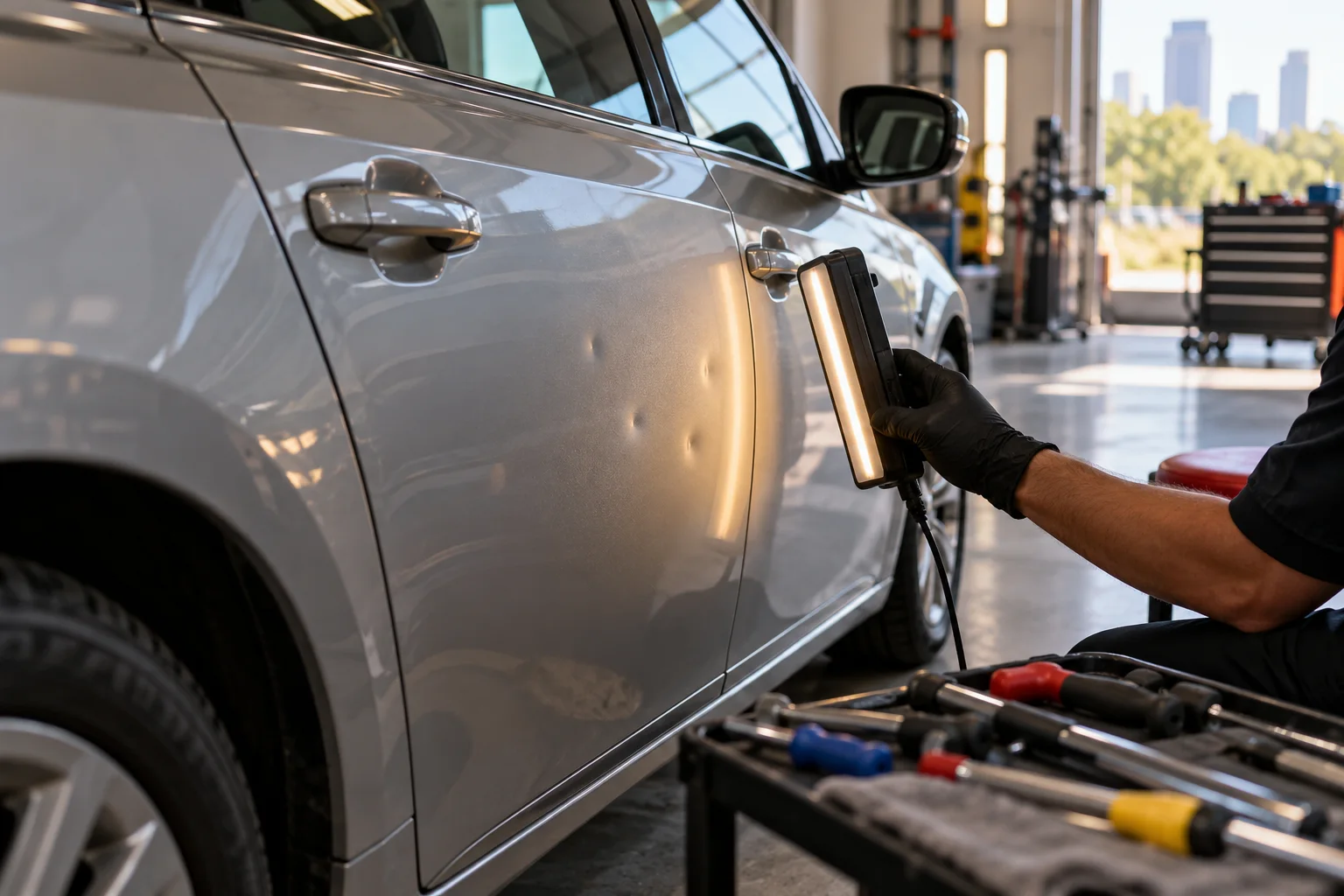
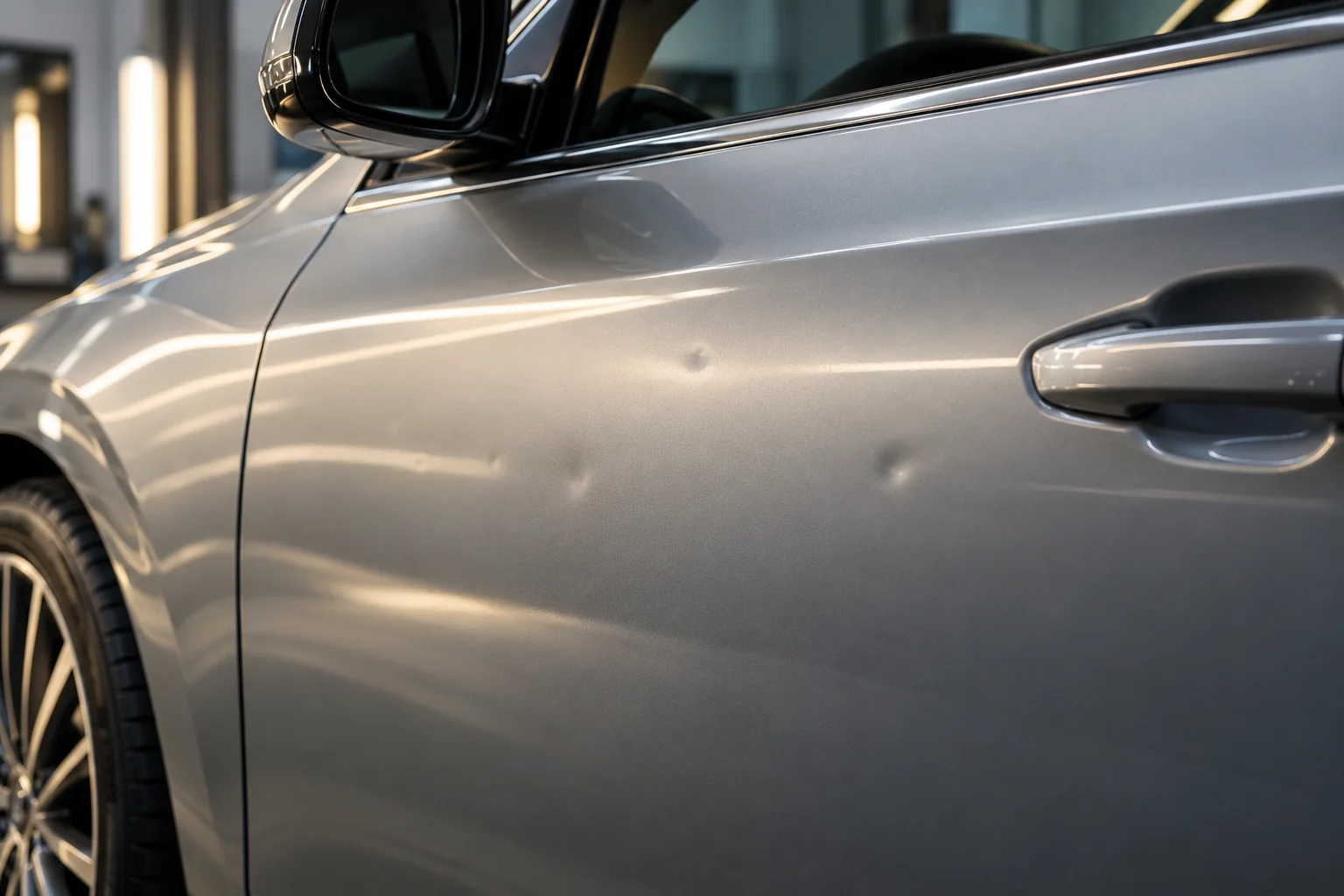
Before making any calls, take a moment to observe the vehicle in clear light. Walking around the car allows you to identify whether the marks are concentrated on flat panels or tucked into the creases of the bodywork. You might notice that some dents are shallow and easy to see from an angle, while others appear nearly invisible until the sun hits them directly. For example, if you find a cluster of small marks on a passenger door, note if they are close together or scattered across the entire side of the vehicle. Having a clear mental or written list of where the damage is located helps when you describe the situation to a specialist.
Evaluating Repair Approaches
When you begin looking for solutions, you will encounter different methods for addressing metal deformation. One approach focuses on moving the metal back to its original shape without altering the factory finish, while another might involve more invasive measures. This presents a choice between preserving the original paint integrity and the time required to complete the work. Ask a specialist how their specific method addresses the depth of the dents you observed and what the expected timeline looks like for your particular vehicle. If you are looking for specific local assistance, you can find information regarding Rowlett hail damage repair to see how they handle regional storm impacts.
Verifying the Professional
The aftermath of a storm often brings an influx of temporary workers to a neighborhood. It is important to distinguish between established local businesses and transient crews. You can learn more about how to spot hail repair scams in Texas to ensure you are speaking with a reliable entity. When you start your first conversation, ask who will be performing the actual work on your vehicle and what their process is for communicating progress. You may also want to ask how they handle vehicles that have unique paint finishes or specialized coatings.
Preparing Your Questions
A productive first conversation relies on the details you provide. Instead of asking if they can "fix the car," describe the specific areas you identified during your walk-around. Ask how they determine if a dent is suitable for a non-invasive repair versus a more traditional method. By focusing on the specific location and character of the damage, you move from a general inquiry to a targeted consultation that respects your time and your vehicle's condition.