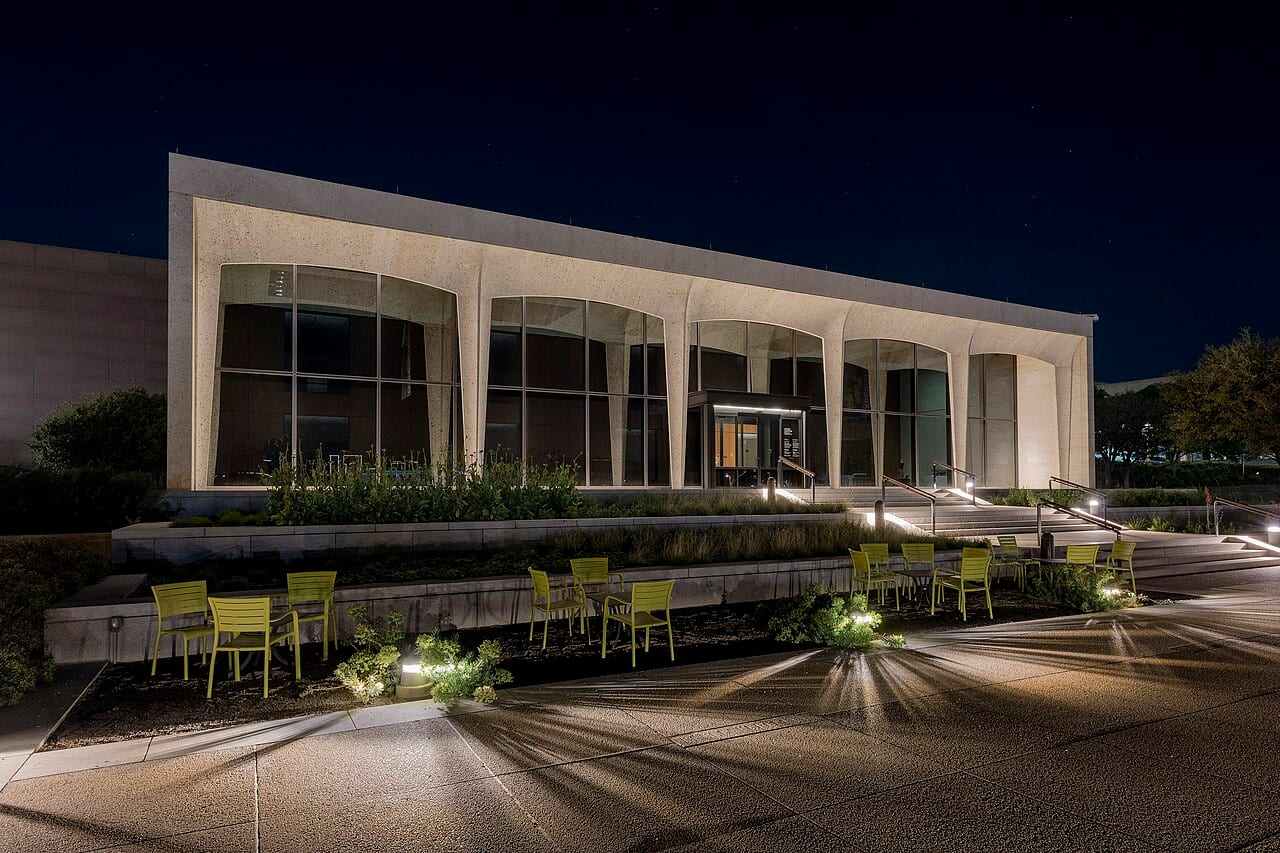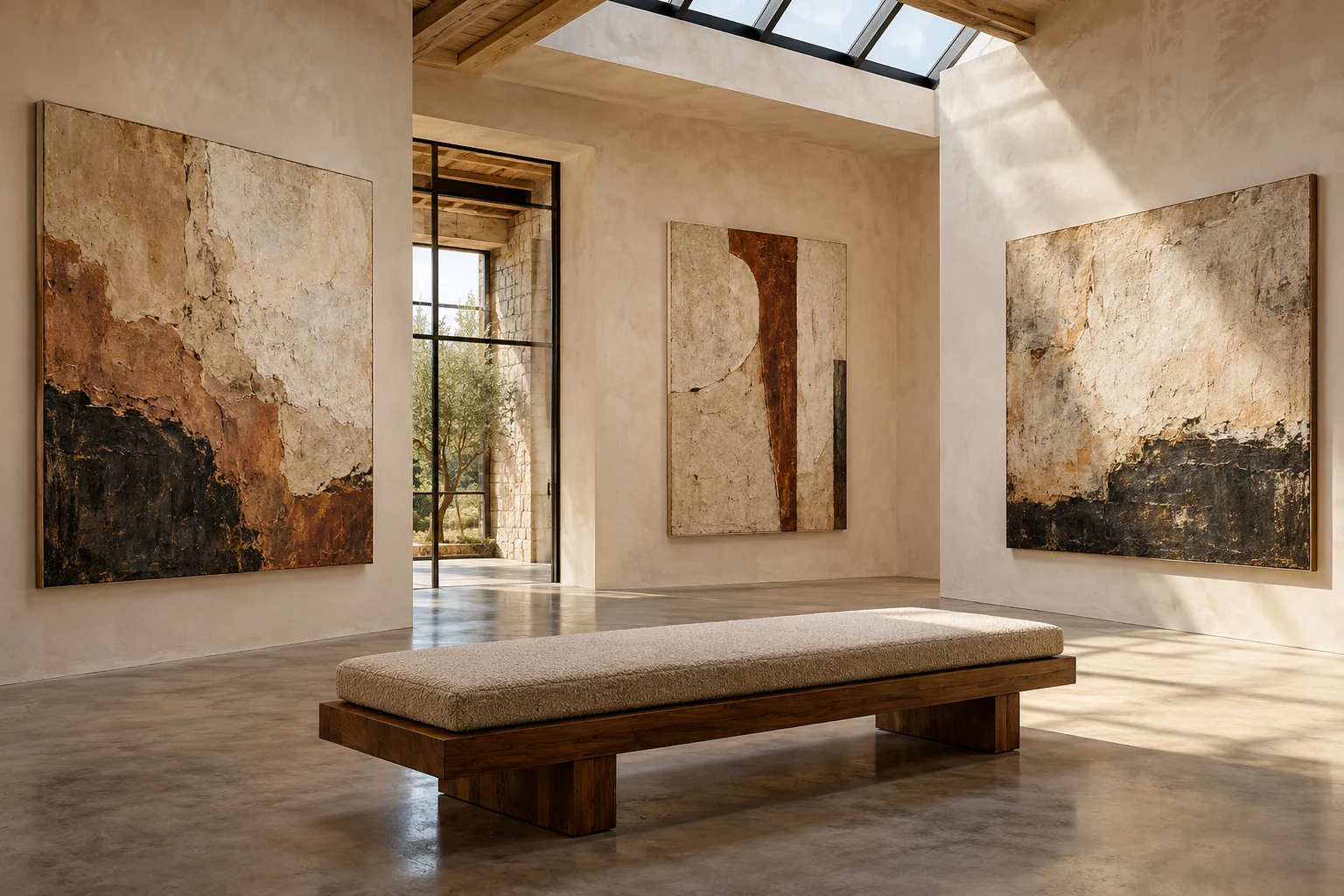
The impulse to see everything is a common companion to cultural curiosity. When a new season begins at a local institution, the temptation is to print a list of every current installation, every temporary gallery, and every lecture series available. This approach treats art like a task to be completed rather than an experience to be inhabited. For the visitor, the result is often a frantic race through corridors, eyes skimming surfaces in an attempt to check off a dozen different themes before the doors close, leaving behind a sense of fatigue.
The tradeoff of breadth and depth
For those seeking a meaningful engagement with local culture, a different strategy involves selecting one confirmed exhibition and committing the entirety of the visit to it. This shift in mindset moves the focus from quantity to quality, allowing the viewer to move at their own pace without the pressure of a long list of remaining stops. When you attempt to navigate an entire museum in a single afternoon, you are essentially performing a survey rather than an observation.
The tradeoff involves a choice between variety and focus. A wide-ranging visit offers a general sense of a museum's current holdings, but it lacks the nuance that comes from prolonged attention. By choosing a single show, you trade the satisfaction of seeing many different things for the possibility of truly understanding one specific subject. This decision requires a willingness to ignore the surrounding galleries and remain focused on the specific themes presented in your chosen exhibition.
Verifying the exhibition schedule
Before setting out, the first step is to verify what is actually on display. Relying on seasonal previews or social media buzz can lead to a disappointing arrival if a show has shifted dates or closed early. Instead, consult the specific, current venue information provided by the institution itself. Look for the specific dates of installation and the confirmed duration of the exhibition to ensure your visit aligns with the actual presence of the work. This step ensures that your time is spent on a certainty rather than an anticipation.
For example, if you are deciding between a large-scale installation and a collection of smaller studies, consider the physical demands of each. A sprawling, immersive installation might require significant time to navigate and process, whereas a series of smaller works might allow for a more seated, contemplative observation. The tradeoff is between the sensory impact of scale and the intimate focus of detail. If you have limited time, the smaller studies may offer more value; if you have a full afternoon, the large-scale work might be more rewarding.
Designing a reflective visit
Once a single exhibition is chosen, the structure of the outing should change. Rather than rushing to the gift shop or the cafe immediately after the final piece, build in time for the mental digestion of what was seen. A successful visit is not measured by how many rooms were entered, but by how much of the work remains in the mind after leaving the building.
Consider how the environment affects your ability to observe. Ask the venue staff about the best times to visit if you prefer quiet, uncrowded spaces. If you find that certain lighting or acoustics interfere with your concentration, you might ask if there are specific viewing areas designed for longer periods of stillness. By narrowing your scope to a single, verified exhibition, you transform a simple outing into a deliberate act of observation. When you arrive, let your decision be final: choose one exhibition, verify its presence, and give it your undivided attention.