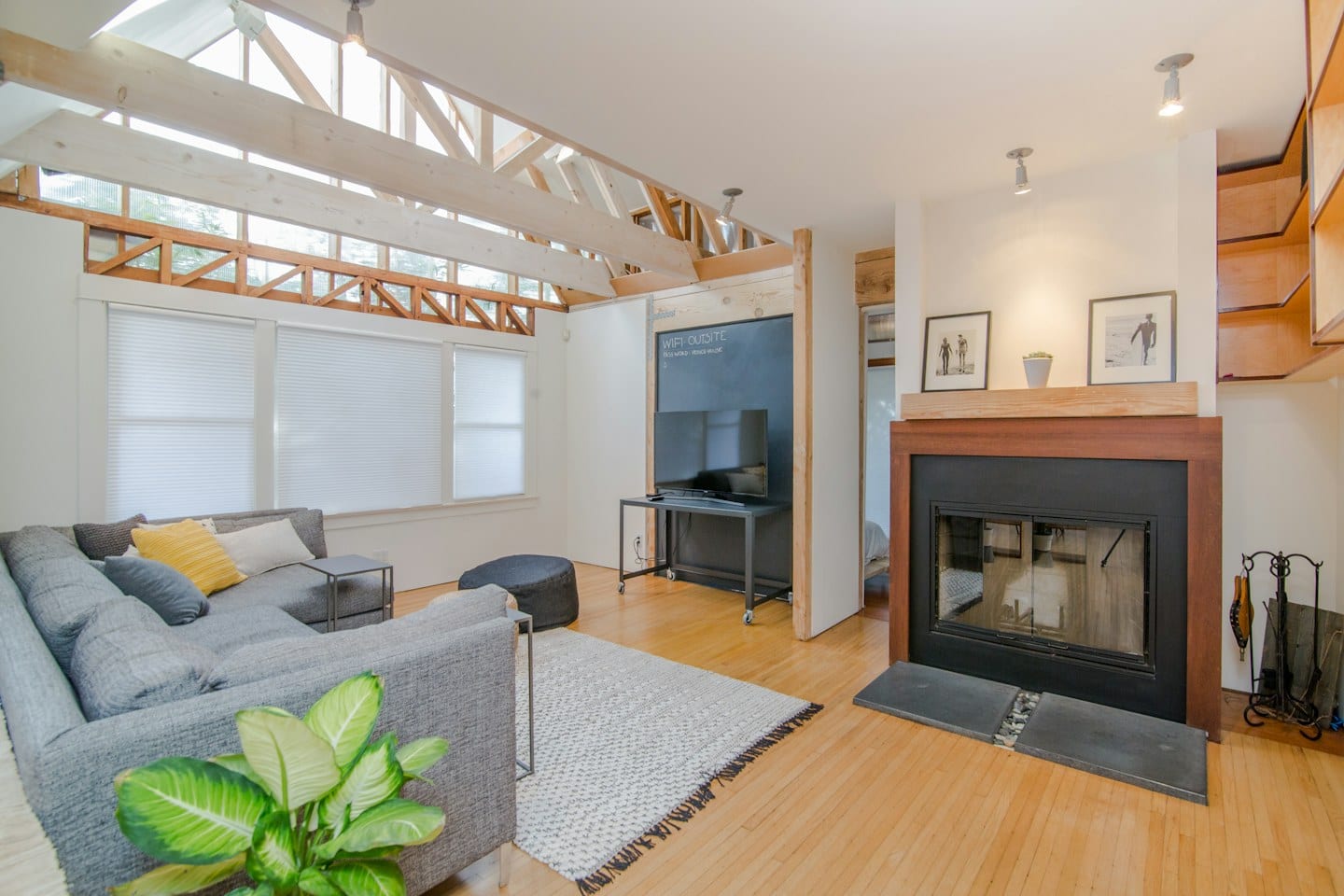
A new rug can anchor a room, but its physical presence changes how you navigate your home. Before committing to a specific size or texture, consider the floor space not as a static canvas, but as a living area where furniture and people are constantly in motion.
The Paper Footprint
The most direct way to visualize a purchase is to create a temporary outline on the floor. Using painter’s tape or large sheets of butcher paper, mark the exact dimensions of the rug you are considering. This physical boundary allows you to step into the space and feel the scale. It helps you observe whether the edges of the rug will tuck under the legs of a sofa or extend into a high-traffic walkway. By laying these outlines down, you move beyond looking at a rectangular swatch and begin to see how the object occupies the room.
Navigating Shifting Schedules
The utility of a paper outline becomes even more apparent when your household operates on varying rhythms. For example, if you have a home where one person works late shifts while others follow a standard school schedule, your morning and evening traffic patterns will look entirely different. A rug that feels spacious during a quiet afternoon might suddenly feel like an obstacle during a frantic morning rush if it sits directly in a primary walking path.
Imagine a household where a teenager leaves for early morning practice, while a parent works from home in a nearby nook. If the rug outline is placed in a way that requires a sharp turn or a long step around a heavy coffee table, that small friction point can become a daily nuisance. Mapping the space allows you to see if the rug’s boundaries coincide with these inevitable bursts of movement.
Balancing Aesthetics and Flow
Choosing a rug involves a tradeoff between the visual impact of a large, expansive piece and the practical ease of a smaller, more contained one. A larger rug can make a room feel cohesive, but it may also encroach on the space needed for easy passage. Conversely, a smaller rug might highlight a beautiful floor, yet it could create a tripping hazard if it sits partially under a chair or a door swing.
As you move through your paper-mapped room, pay attention to your natural gait. Do you find yourself stepping over the edge of the paper? Does the outline force you to walk a circuitous route to reach the kitchen? These observations are more valuable than any design rule. Once you have identified the most comfortable arrangement, you can proceed with your purchase knowing exactly how the piece will integrate into your specific lifestyle.