A knock at the door often signals the start of a home project, but the most effective consultations begin long before a professional arrives. Whether you are investigating a structural concern or planning a significant renovation, the quality of the information you provide dictates the quality of the answers you receive. The goal is to transform a vague walkthrough into a focused exchange of data.
Distinguishing Fact from Feeling
One of the most common hurdles in a home consultation is the blending of physical evidence with personal preference. When a professional arrives, they need to understand the baseline condition of the property before they can address how you intend to change it. If you mix your desire for a specific aesthetic with a report on a recurring leak, the conversation can lose its technical focus.
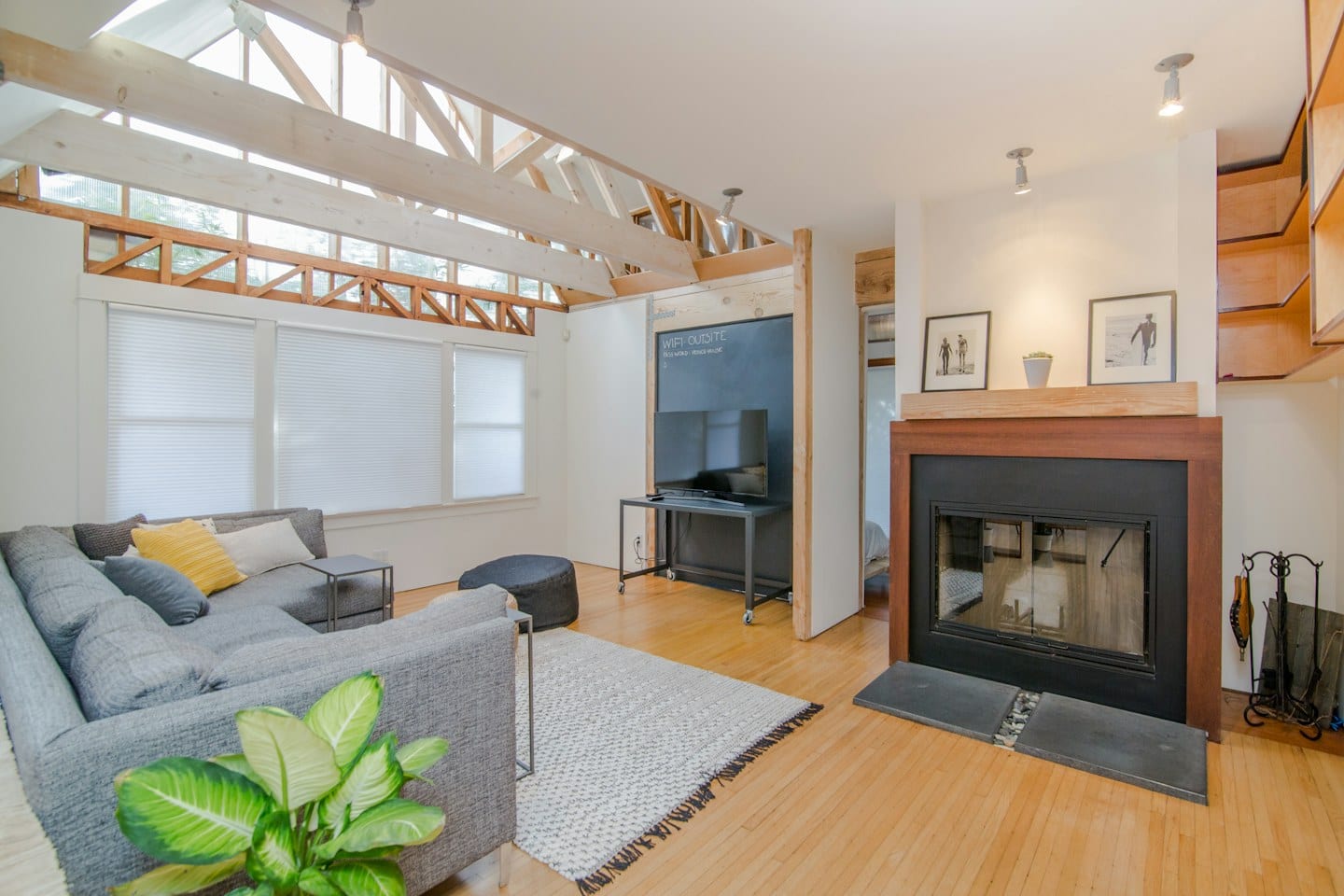
For example, if you are meeting with a specialist to discuss a room that feels poorly lit, you must distinguish between the physical light levels and your desire for a different color palette. A professional needs to know if the issue is a lack of natural light through the windows or if the current wall tones are simply not to your liking. By separating these two categories, you allow the expert to address the functional reality first.
The Power of Visual Documentation
While a walk-through is essential, your memory of a problem is often less reliable than a photograph. Gather a collection of images that capture the specific areas of concern. This includes wide shots to show the context of a room and close-up shots that highlight textures, cracks, or specific points of interest.
Having these images ready allows you to point to a specific detail without searching for the right words. If you are discussing a particular area of the property, ask the professional how the visual evidence they see aligns with the issues you have documented. This ensures that your observations are being interpreted accurately in real-time.
Defining the Scope of the Conversation
Before the meeting begins, write down a list of the specific uncertainties you need resolved. This list should focus on the questions that only a qualified expert can answer. Instead of deciding on a final plan during the visit, use the time to gather the information required to make that decision later.
Consider the tradeoff between an open-ended discussion and a structured inquiry. An open-ended chat might feel more relaxed, but it often leaves critical questions unanswered. A structured approach ensures that you do not walk away wondering if you forgot to mention a specific detail. Ask the professional to clarify which parts of your project fall within their expertise and which might require a different specialist.
Securing a Written Summary
The final step in a successful consultation is ensuring that the conversation is captured. Do not rely on a handshake or a verbal agreement to carry the details of the visit. Request a written recap that outlines the observations made and the answers provided to your questions. This document serves as your baseline for all future decisions and ensures that both you and the professional are operating from the same set of facts.