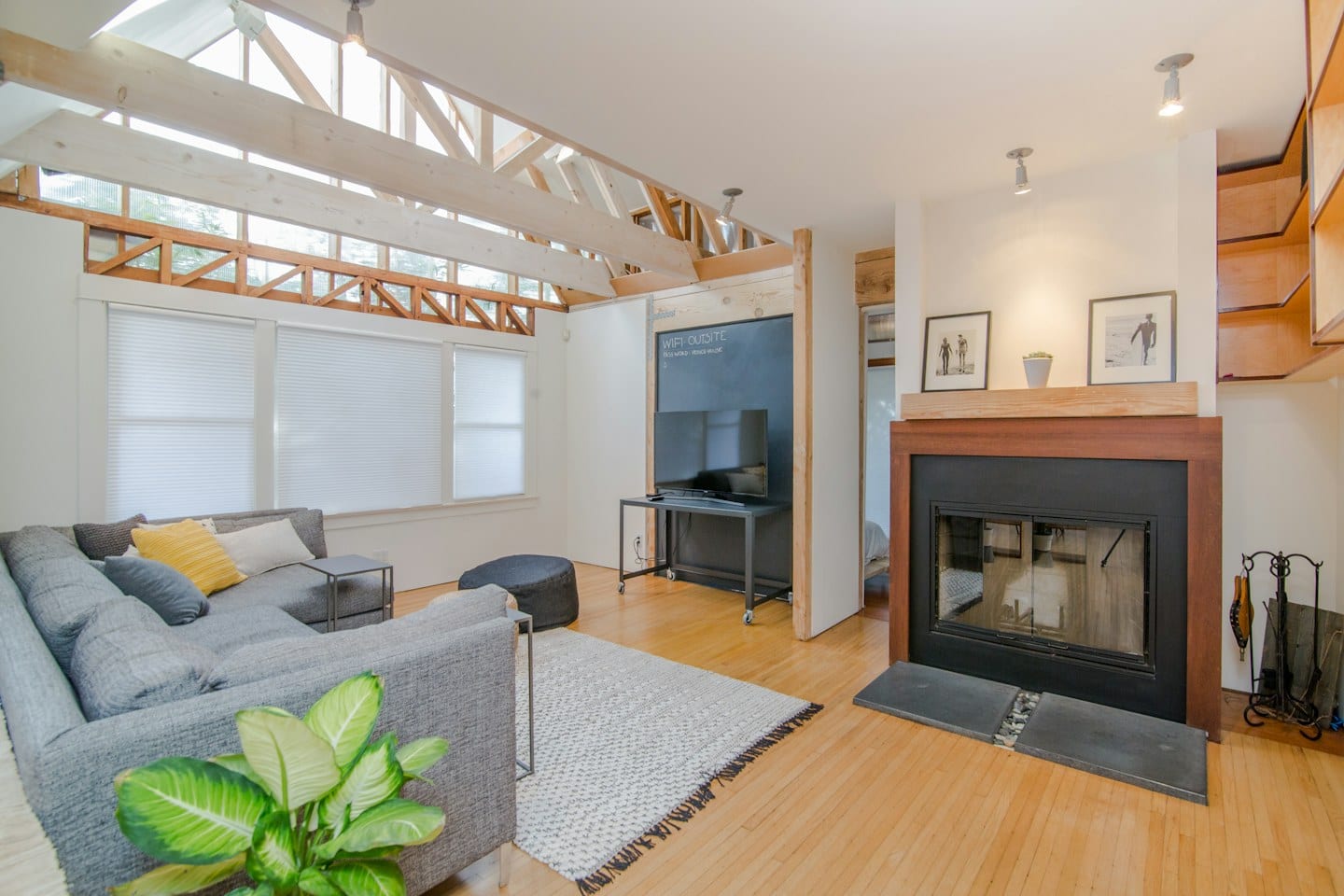
A single armchair tucked into a sunlit corner might look like a sanctuary in a showroom, but its true utility depends entirely on the rhythms of your household. Choosing a dedicated space for quiet activities—whether that is morning coffee with a book or late-night correspondence—is often a battle between aesthetic preference and the lived reality of your environment.
The Data of Daily Life
To find a space that works, you must separate what you think you want from what you actually experience. It is easy to imagine a corner as a silent retreat, but a person must observe the actual interruptions that occur during the hours they intend to use it. Instead of relying on a feeling of peace, track the specific moments when the quiet is broken. Is it the sudden hum of a neighbor’s lawn equipment, the heavy footfalls in the hallway, or the rhythmic cycling of a nearby appliance?
For example, if you find yourself drawn to a window seat because of the view, observe how that light changes throughout the afternoon. You might discover that the glare makes reading difficult by 3:00 PM, or that the heat from the glass becomes uncomfortable during a Texas summer afternoon. By recording these observations, you move away from a purely emotional choice and toward one based on evidence.
The Tradeoff of Permanence
When planning a quiet corner, you face a meaningful tradeoff between a fixed, integrated setup and a movable arrangement. A built-in reading nook with custom shelving offers a sense of permanence and intentionality. It becomes a dedicated part of the home's architecture. However, this commitment means you are locked into that specific location, regardless of how your needs or the house's noise levels change.
Conversely, a movable setup—comprising a high-quality chair, a small side table, and a portable lamp—allows for constant reassessment. If a particular room becomes too loud due to changes in household activity, you can relocate your sanctuary. The tradeoff here is the loss of that seamless, architectural feel in exchange for the agility to follow the quiet wherever it moves.
Testing the Environment
Before committing to a permanent change or a significant purchase, test your chosen spot through active use. Sit in the space at different times of the day and during different weather conditions. Note how the air moves through the room and how the light interacts with your tasks. If you are considering structural changes to create a more secluded space, ask a contractor how the proposed layout might affect the existing flow of the room. If you are concerned about the sounds reaching your new nook, ask a professional about options for managing sound transfer between rooms.
Ultimately, the best corner is not the one that looks most inviting in a photograph, but the one that survives your scrutiny. By observing the interruptions, testing the light, and weighing the benefits of mobility against permanence, you can select a space that serves your actual life rather than an idealized version of it.