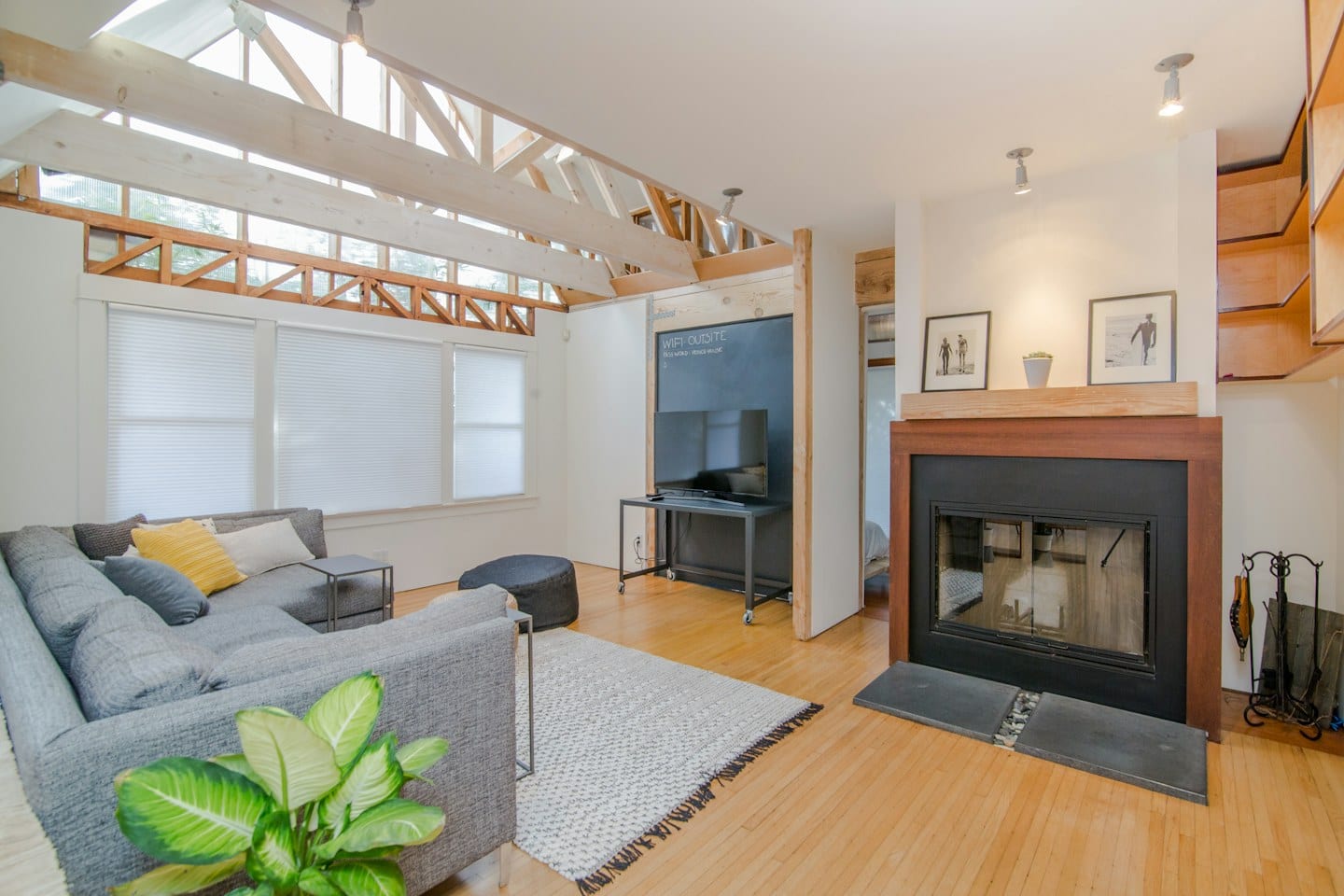
A heavy oak sideboard or a hand-carved wooden mantle holds a specific weight in a room. These objects carry a history that often manifests as visible wear: deep scratches, faded finishes, or structural shifts. Deciding whether to preserve these marks of age or to strip them away for a clean, modern look is a significant choice in home curation. The decision requires balancing what the object was with what you need it to be in your current space.
Gathering the fragmented story
The process of deciding an object's future often begins with a collection of disjointed information. You might find a handwritten note from a previous owner tucked into a drawer, a blurry photograph from a decades-old family gathering, and perhaps a vague recommendation from a neighbor about a local craftsman. These sources provide a fragmented narrative of what the object once was, but they rarely offer a technical roadmap for what it can become.
For example, if you have inherited a dining table, you may possess a photo showing it with a high-gloss mahogany finish, a diary entry mentioning it was a wedding gift, and a modern catalog showing a similar style in a matte, light-oak aesthetic. You are left to weigh the sentimental value of the original finish against the functional desire for a piece that complements a contemporary Texas dining room. The tradeoff lies between honoring the object's historical identity and ensuring it serves your current lifestyle. You must decide if the goal is a faithful recreation of the past or a stylistic evolution for the present.
Defining the visual goal
Before seeking assistance, document the current state of the object with precision. Look closely at the surface under different lighting. Note where the finish is thin, where the wood itself might be splintered, and where the joints appear loose. Distinguish between surface-level blemishes and deeper structural concerns. This documentation serves as the foundation for any professional consultation.
Consider your intended use as well. A piece intended for a high-traffic entryway faces different pressures than a decorative element placed in a quiet study. Are you looking for a piece that looks brand new, or are you seeking to stabilize the object while retaining its character? Your answer to this will dictate the type of conversation you have with a specialist. The more specific you are about the intended environment and the level of wear you are willing to tolerate, the more useful the subsequent advice will be.
Consulting the specialist
When you approach a professional, the goal is to move from guesswork to a clear understanding of possibility. Rather than asking if they can make the object look perfect, focus on the boundaries of the craft. A specialist can provide clarity on whether the physical material can support the aesthetic you desire.
- Ask what can be achieved given the specific wear you have documented.
- Inquire how your desired aesthetic—such as a specific color or sheen—might interact with the existing material.
- Ask about the methods they suggest for stabilizing the structure without compromising the visual integrity.
A professional can help you navigate the gap between your various sources of information and the physical reality of the object. By presenting your observations and your desired outcome, you allow them to provide a realistic assessment of what is feasible. The final decision rests on whether the proposed path aligns with how you want the object to live in your home and whether the outcome meets your expectations for both beauty and utility.