This is a paid partner contribution. Commercial relationships are disclosed so readers can distinguish sponsored content from editorial guides.
A storefront or an office hallway communicates something about a business before a single word is spoken. Whether you are looking for high-impact exterior branding or subtle interior office signs and room signs near Pleasant Grove, the transition from a mental idea to a physical product begins with a single conversation. Making that conversation productive requires gathering your own specific requirements beforehand.
Defining the Space and Purpose
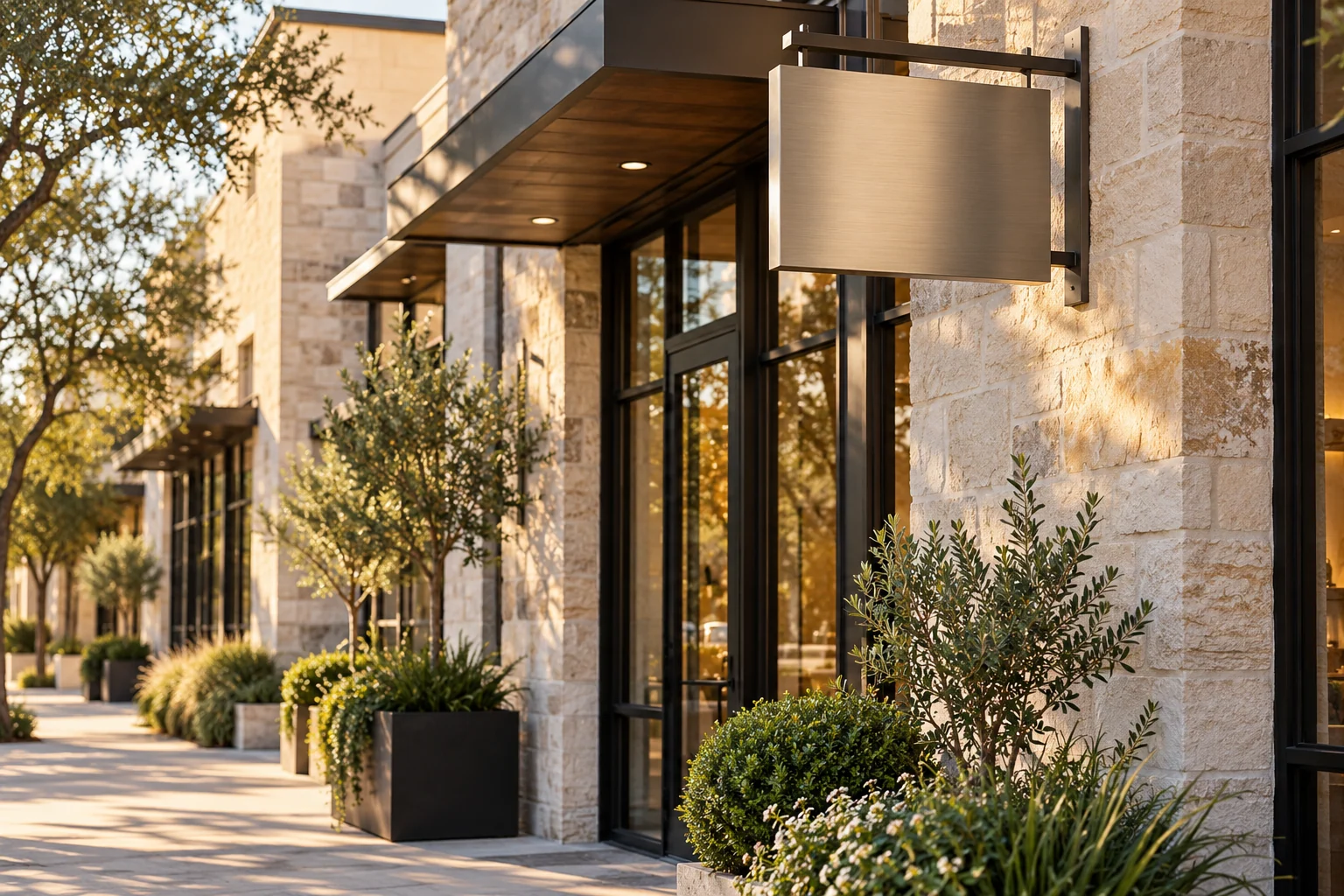
Before reaching out to a sign company dallas, observe the environment where the signage will live. The physical constraints of your location dictate many of the possibilities. Consider the surface the sign will be attached to, the amount of light available, and the distance from which people will view it. A sign meant to catch the eye of a driver on a busy street serves a different purpose than one meant to guide a client through a quiet corridor.
For example, if you are considering a large outdoor monument sign, you must weigh the desire for bold, illuminated lettering against the practicalities of your local landscape and mounting surface. A smaller, non-illuminated option might offer a different aesthetic, but it changes how your business is perceived during evening hours. Determining whether you prioritize visibility from a distance or a specific textural quality helps narrow your focus.
Gathering Your Visual Assets
A productive consultation relies on the information you provide. If you have existing brand elements, have them ready for review. This includes high-resolution versions of logos, specific color references, and any established typography. If you do not have these ready, the conversation may shift toward what is possible rather than what is specific to your brand. Having these files organized allows for a more direct discussion about how your current identity can be translated into physical materials.
Beyond the digital files, think about the physical dimensions of your project. If you are looking to fill a specific wall or frame a doorway, having those measurements on hand prevents guesswork. You might also consider the materials you have seen elsewhere that you liked, or textures that complement your existing decor. This preparation allows you to move past generalities and into the specifics of your project.
Asking the Right Questions
Once you have gathered your details, the next step is to use the consultation to clarify the process. Instead of assuming how a project will unfold, ask questions that address the specifics of your unique situation. You might ask how the proposed materials will hold up in the local environment or how the installation process is structured for your specific building type.
It is also helpful to ask about the timeline and how different design choices might impact the schedule. Rather than asking if a sign will look good, ask how the suggested dimensions and materials address the specific layout and lighting conditions you have observed in your space. This approach ensures that the final product aligns with the practical needs of your business environment.