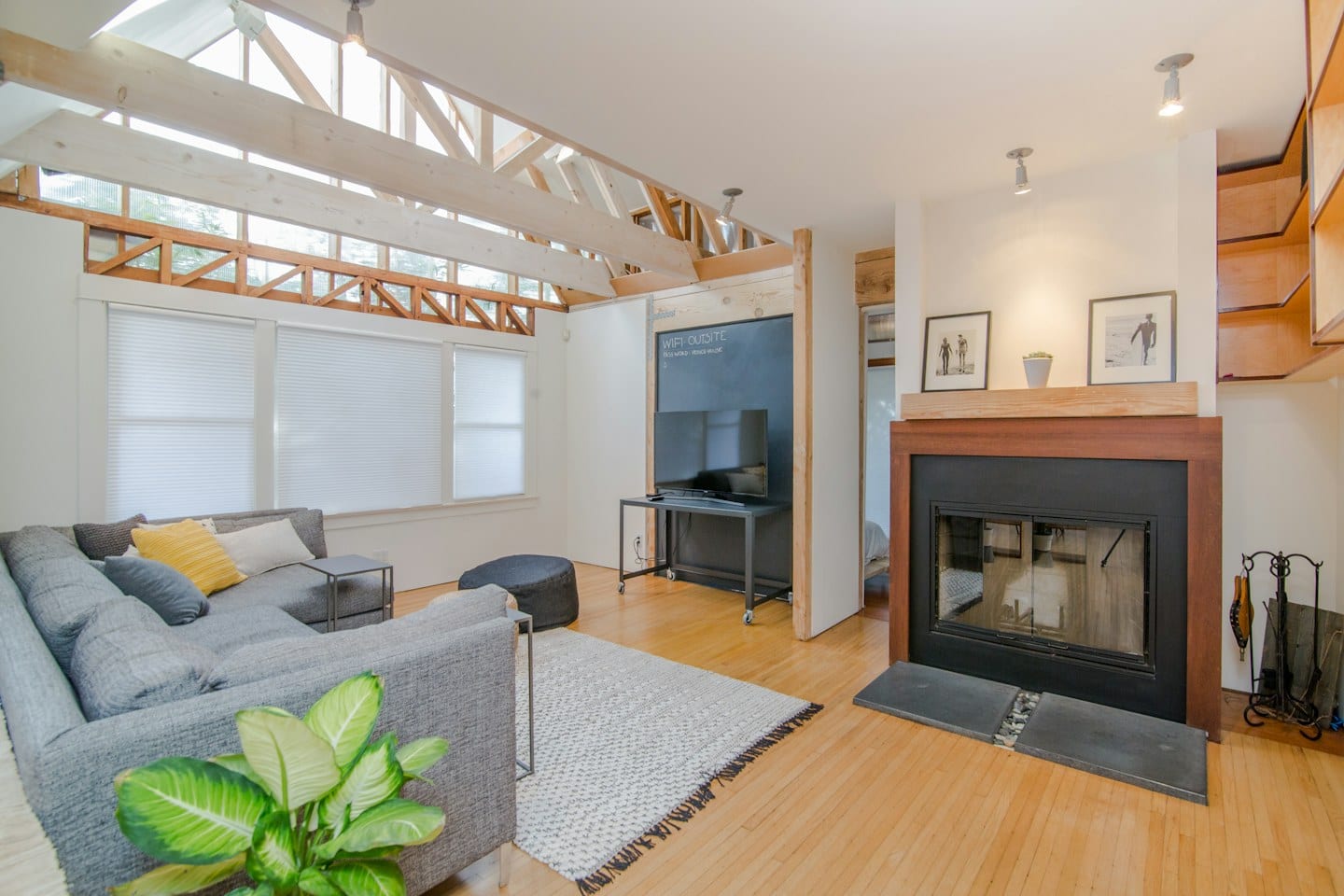
A window is a paradox in a home. It is the primary source of natural light that can make a living room feel expansive, yet it is also a transparent boundary that can leave you feeling exposed to the street or the neighbor's yard. When you begin looking for new treatments, you are not just shopping for fabric or wood; you are deciding how you want to experience your own interior space.
The interplay of light and shadow
The first step in the process is observing how light moves through your rooms at different times of the day. You might notice that the morning sun hits your breakfast nook with a blinding intensity, or that the late afternoon glare makes it impossible to see a television screen. These observations help define whether you need a solution that completely blocks the sun or one that simply softens it.
There is a meaningful tradeoff between total privacy and natural illumination. A heavy, opaque material might provide the seclusion you crave during a dinner party, but it can also turn a bright room into a dim, enclosed space. Conversely, a sheer or translucent option allows the room to feel airy and connected to the outdoors, but it may fail to provide the sense of security needed when the lights are on inside at night.
Navigating a sea of information
For many, the challenge begins when you start gathering information. You might have a stack of brochures from a local showroom, a collection of saved images from an online gallery, and perhaps a few conflicting opinions from friends or family. One source might emphasize the aesthetic beauty of a specific texture, while another focuses on how easy a particular mechanism is to operate. Managing these disparate pieces of information can feel overwhelming when you are trying to form a cohesive plan for your home.
For example, if you find a beautiful fabric that matches your sofa perfectly, but a second source suggests that the material might not handle the heat from a south-facing window well, you are left with a choice between visual harmony and long-term durability. You must decide which element—the look, the light control, or the ease of use—takes precedence in each specific room.
Conversations with a supplier
Once you have identified your priorities and gathered your notes, the next step is to speak with a supplier. Rather than focusing on technical jargon, focus your questions on how their offerings meet your lived experience. Ask the professional how a specific recommendation addresses the light patterns and privacy needs you observed in your home. Ask them about the different ways a treatment can be operated and what that looks like in a daily routine. Finally, ask how they handle the installation process and what they suggest for ensuring the final result aligns with the vision you have assembled from your various sources.

