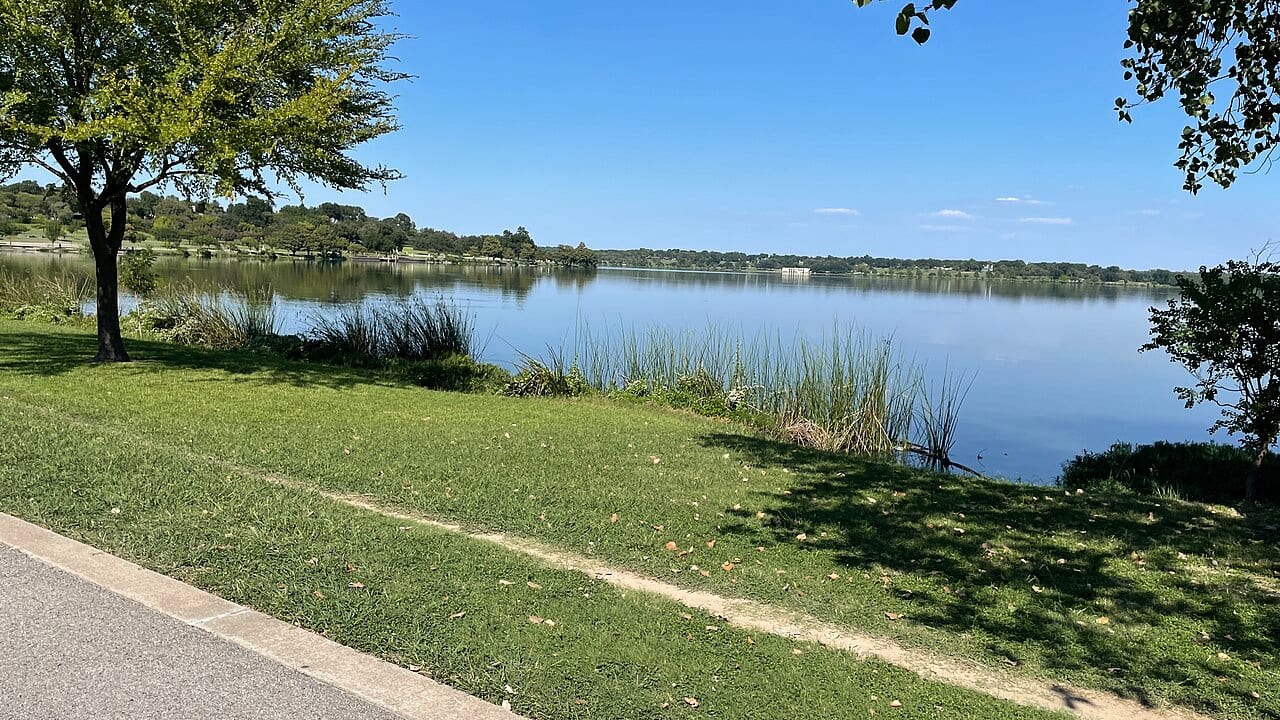
The decision often begins with a single map or a beautiful photograph of a trailhead. When organizing a walk for friends or family, the allure of a specific vista or a scenic creek can feel like the most important factor. However, the success of the outing rests on how well the chosen path aligns with the physical preferences and comfort levels of every participant.
The Tension of Personal Preference
A common challenge arises when an organizer holds a strong personal vision for an excursion that may not mirror the desires of the group. You might have a deep affinity for a specific rugged trail that offers solitude and steep climbs, while your companions might prioritize a flat, shaded path that allows for easy conversation. In these moments, there is a tradeoff between the individual desire for a specific type of landscape and the collective goal of a shared experience.
For example, if you are determined to visit a particular canyon because of its unique rock formations, but three members of your group have expressed a desire for minimal elevation changes, the mismatch can lead to frustration. One person may feel they are missing out on the "real" experience, while others may feel physically overwhelmed by the terrain. To navigate this, consider whether the primary goal is to see a specific landmark or to enjoy the company of the people involved.
Defining the Parameters Early
Before committing to a destination, start by gathering information about the group's capabilities and interests. Instead of suggesting a route immediately, ask your companions about their preferred distance and the types of conditions they find most comfortable. Do they prefer paved surfaces, or are they looking for natural earth? Do they favor short, brisk movements or a slow, meandering pace?
Once you have a sense of these preferences, verify the current status of your intended route. Conditions can change rapidly due to maintenance, weather, or seasonal shifts. Ask the local park office or the relevant land management authority about the current accessibility of the trails and whether any sections are closed or require specific preparations. This ensures that the path you have promised is actually available when you arrive.
Establishing a Shared Exit Strategy
Even the best-laid plans encounter variables once the group is in motion. It is helpful to agree on a set of signals or a specific time when the group will reassess the situation. Rather than waiting for someone to become visibly distressed, establish a way to check in on the collective energy level.
Ask the group beforehand: "At what point should we consider turning back or shortening the loop?" Having this agreement in place removes the social awkwardness of suggesting a change in plans mid-walk. By prioritizing the group's consensus over a rigid itinerary, you ensure that the walk remains an enjoyable shared activity rather than a test of endurance.