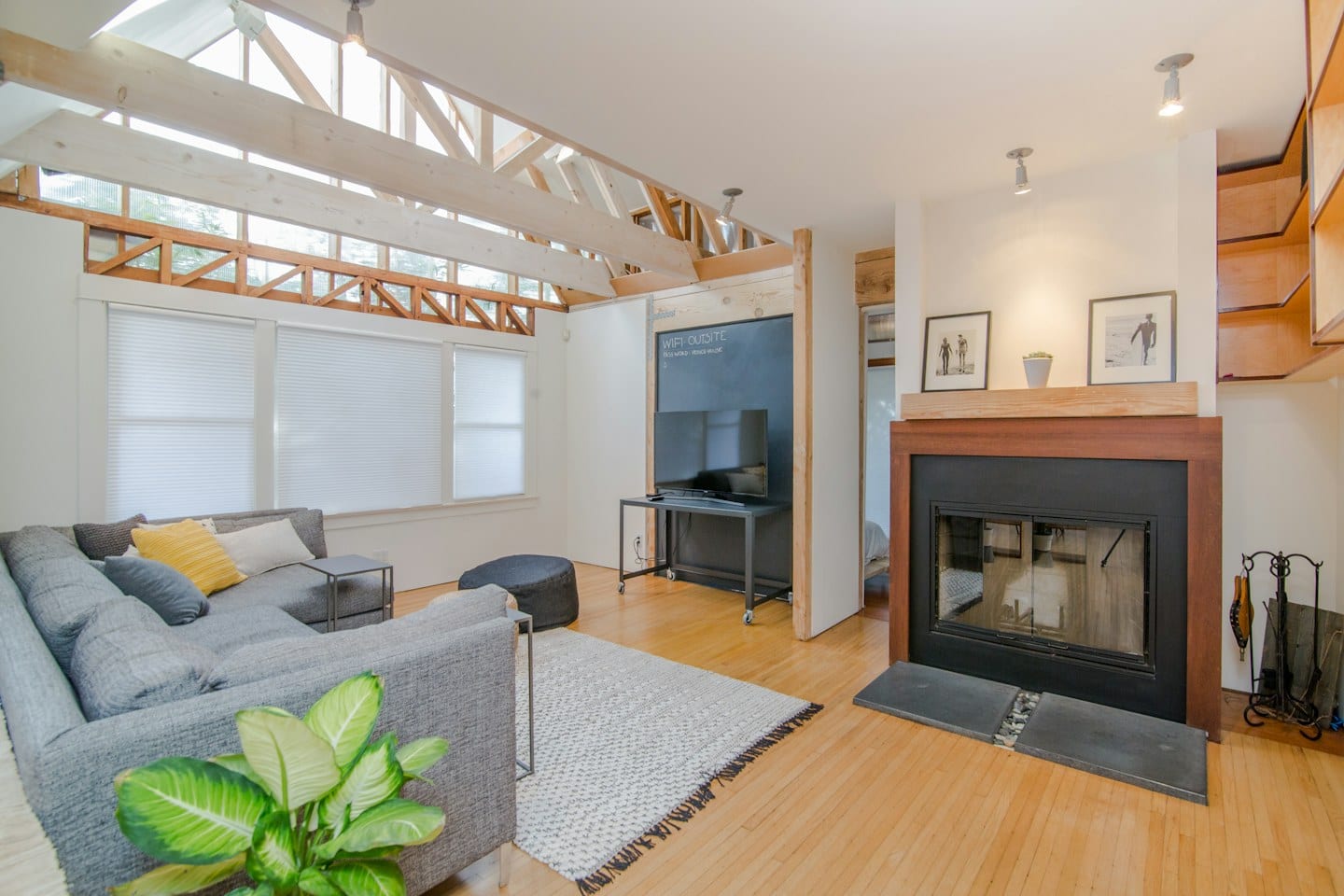
A single room often carries the weight of two distinct lives. By Monday morning, it is a command center filled with monitors, printers, and stacks of paperwork. By Friday evening, it is meant to be a quiet sanctuary for visiting family. Managing this transition can feel like a constant cycle of tidying and rearranging, often leaving you with a space that feels neither fully functional for work nor truly hospitable for guests.
The Friction of Frequent Transitions
For many homeowners, the desire to host is often dampened by the mental load of preparation. If your guest room serves as your primary workspace, the arrival of visitors necessitates a sudden shift in how you interact with your environment. You might find yourself clearing desk surfaces to make room for a suitcase or tucking away office supplies to create a sense of calm. This constant toggling between professional utility and domestic hospitality can lead to a sense of clutter that persists regardless of how much you clean.
The goal is to reduce the number of decisions you have to make on the day your guests arrive. When the room is designed with a dual purpose in mind, the transition becomes a matter of simple adjustments rather than a total overhaul of the space. This requires looking at your furniture and storage through two different lenses: how it serves your focus during the week and how it provides comfort during the weekend.
Evaluating Modular Utility
When considering changes to a multi-use room, the most effective strategy involves choosing elements that can be easily reversed. For example, if you are considering adding a permanent bed to a room that currently houses a large desk and shelving, you face a significant tradeoff between specialized comfort and daily workspace. A permanent bed occupies floor space that might otherwise allow for a larger, more ergonomic desk setup. Conversely, a desk that is too small may hinder your professional efficiency during the week.
Imagine you are deciding between a traditional guest bed and a piece of furniture that serves a different role when visitors are absent. If you choose a piece that folds away, you reclaim your office square footage, but you may sacrifice the luxury of a high-quality mattress. If you choose a permanent bed, you gain guest comfort but lose the ability to move freely around your workspace. Ask yourself whether the frequency of your guests justifies the loss of daily floor space.
Preparing the Space for Arrival
To minimize the last-minute scramble, focus on creating "zones" that remain relatively static. You might designate one corner for your professional equipment and another for guest amenities. This allows you to close a door or move a screen to visually separate the two worlds without moving heavy furniture.
If you are planning significant structural changes to accommodate this dual role, such as installing built-in cabinetry or changing the lighting, ask a professional how the proposed layout supports both concentrated tasks and relaxed lounging. Consider which elements of your current setup can remain untouched to ensure that your home remains a functional workspace even when the guest suite is in use.